Certified Roof Repair: How to Spot Quality Workmanship
A roof repair should do more than stop a visible drip. It should address the cause of the problem, protect surrounding materials and provide a durable barrier against the weather. For Hawkesbury property owners, knowing what to check before, during and after the work makes https://roofinghawkesbury.com.au/roofing-ventilation-systems/ it easier to choose a contractor with confidence.
Quality certified roof repair combines appropriate credentials, a clear diagnosis, compatible materials and careful installation. A fresh coating or tidy finish alone does not prove that the underlying roof is sound.
Check What “Certified” Actually Means
The word certified can describe manufacturer training, trade qualifications or another accreditation. These are not interchangeable. Ask who issues the certification, what work it covers and whether it remains current. Verify any required trade licence or registration with the relevant authority, and request evidence of insurance appropriate to the project.
Advertising terms such as “certified roof reroofing” and “advanced roof repair” are not enough by themselves. A reliable contractor explains the practical qualifications behind those claims and identifies who supervises or completes the work.
Manufacturer certification can be useful, but it does not automatically guarantee every repair or extend a product warranty. Ask for the applicable warranty conditions in writing.
Expect a Diagnosis Before a Quote
Water can travel along roof framing or underlay before appearing indoors. Quality comprehensive roof repair starts with identifying the entry point rather than assuming it sits directly above a ceiling stain.
A useful inspection considers roof coverings, flashings, penetrations, valleys, drainage and accessible roof-space conditions. Photographs should show the defects and explain why the proposed work is necessary.
- Request an itemised scope: It should identify repair locations, materials, preparation, waste removal and exclusions.
- Ask about concealed damage: Agree on how additional timber, underlay or substrate repairs are approved and priced.
- Check material compatibility: Metals, sealants, coatings and fasteners must suit the existing roof system.
- Confirm weather protection: Ask how exposed areas are protected if conditions interrupt the work.
- Separate warranties: Product warranties and workmanship warranties often have different terms and responsibilities.
Recognise Good Repair Details
Roof Coverings and Flashings
Replacement materials should suit the roof pitch, exposure and existing construction. Asphalt shingle replacement requires correct fastening and integration with surrounding shingles and underlay. Cedar shake replacement needs suitable materials, spacing and fixing details. Tile and metal repairs likewise require system-specific methods rather than a generic patch.
Flashings around chimneys, walls, skylights and other penetrations should direct water onto the roof surface and towards drainage. Sealant has legitimate uses, but it should not replace properly designed flashing or conceal loose components.
Repair or Replacement?
A contractor offering comprehensive roofing services should explain when a local repair remains practical and when widespread deterioration justifies comprehensive roof replacement. Age alone is not a complete diagnosis; material condition, repeated leaks and substrate damage also matter.
If a quote proposes complete roofing replacement or complete roof installation, check whether it includes removal, disposal, underlay, flashings, ventilation provisions and any necessary structural assessment. Labels such as “comprehensive roof reroofing” should always be supported by a precise scope.
Inspect Gutters and Drainage Together
Even excellent roofing can suffer when gutters overflow or downpipes discharge poorly. Comprehensive drainage solutions consider the route water takes from the roof to an appropriate discharge point, not just the condition of one gutter section.
For aluminum gutter repair, look for secure brackets, compatible fixings and properly formed joints. Copper gutter maintenance requires attention to suitable materials and connections because incompatible metals can accelerate corrosion. Damaged gutter repair should also address sagging, inadequate support or incorrect fall where these contribute to the problem.
Providers advertising advanced gutter solutions or comprehensive gutter services should explain their proposed improvements. For larger Hawkesbury premises, commercial gutter services may also require safe access arrangements and a maintenance schedule tailored to roof size and surrounding vegetation.
Make Ventilation Part of the Assessment
Roof-space moisture and excessive heat can indicate ventilation or insulation issues, although ventilation alone does not solve every problem. Attic ventilation installation and attic ventilation repair should account for roof design, insulation placement, moisture sources and local conditions.
Ask how proposed attic cooling methods support attic heat reduction without drawing conditioned indoor air into the roof space. Advanced ventilation techniques need a balanced airflow strategy; adding an exhaust vent without suitable intake openings may provide limited benefit.
Customized roof ventilation and comprehensive roof venting should therefore be based on the building, not a standard number of vents sold with every job. Bathroom and kitchen exhaust systems should discharge appropriately rather than release moist air into the roof cavity.
Do Not Overlook Brickwork at Roof Junctions
Chimneys, parapets and adjoining masonry walls can allow water into a roof system. Brick wall maintenance around these junctions may be as important as the roof covering itself.
Where mortar joints have deteriorated, brick repointing services should remove unsound material to a suitable depth and use compatible replacement mortar. Ask whether brick joint repair, brick mortar replacement or brick mortar restoration accurately describes the proposed work. An overly hard mortar can damage softer masonry.
Brick deterioration repair and brick erosion control should begin by addressing moisture exposure and defective details. Brick facade repair or brick wall weatherproofing cannot compensate for failed flashings. Likewise, brick expansion joint repair must preserve the joint’s ability to accommodate movement rather than rigidly filling it.
Significant cracking, bulging or displacement raises questions about brick structural integrity. Brick structural repair or brick wall reconstruction may require assessment by a suitably qualified professional. Claims about brick durability enhancement or brick thermal insulation should identify the actual treatment or building-system improvement involved. Comprehensive wall repair needs more than a cosmetic finish.
Treat Coatings as Protection, Not Structural Repair
Advanced painting techniques can improve coating application, but preparation and product suitability remain essential. Loose coatings, contamination and underlying defects need attention before repainting or sealing.
If a quotation includes comprehensive sealing solutions, complete painting sealing or comprehensive painting sealing, ask which surfaces receive treatment and which products are specified. Roof coatings are not suitable for every material and do not restore decayed timber or repair failed structural components.
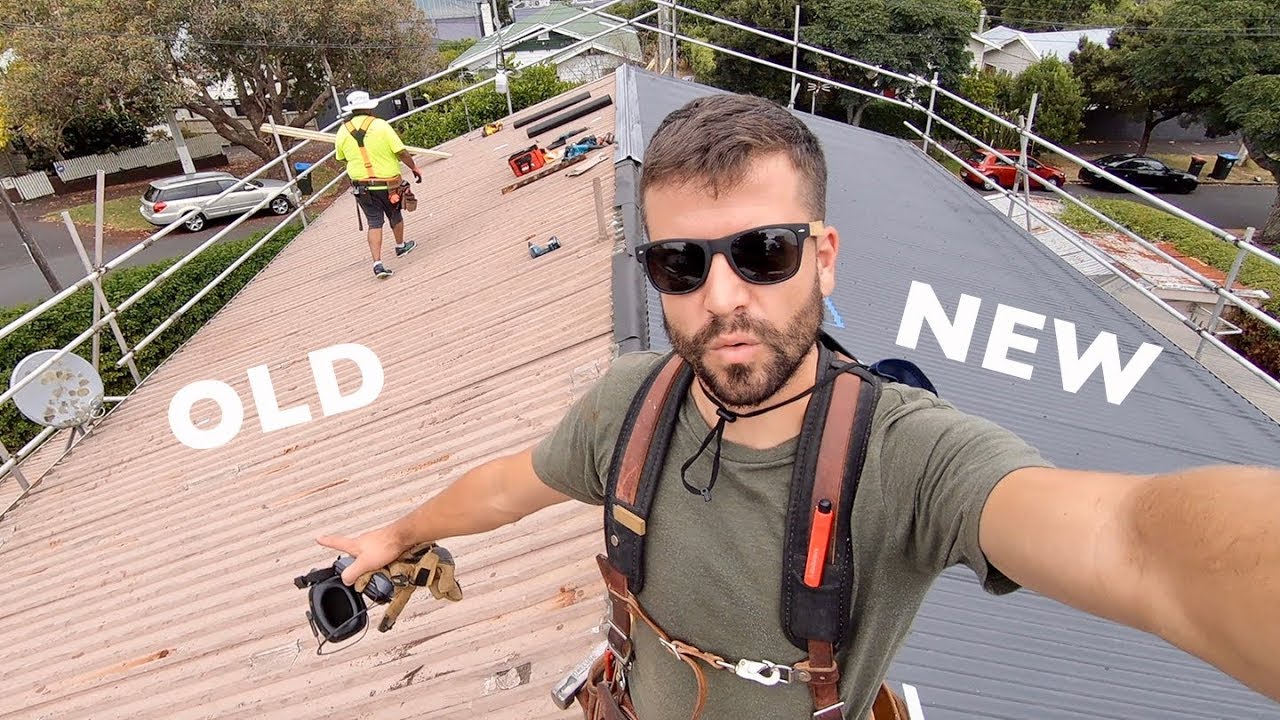
For commercial painting sealing, confirm compatibility with the existing roof membrane or coating. A finish that looks uniform on handover can still fail prematurely if preparation or application conditions are unsuitable.
Check the Handover Before Signing Off
Commercial roofing projects may involve additional access, drainage and operational considerations. Whether you need commercial roof repair or broader commercial roof solutions, request the same evidence of correct installation that you would expect on a home.
- Review completion photographs showing repaired details, including areas no longer visible.
- Confirm that gutters, outlets and the work area are clear of debris and loose fasteners.
- Obtain warranty documents, product information and any required compliance records.
- Ask for a comprehensive roof maintenance schedule suited to the roof materials and site conditions.
The best sign of quality workmanship is clear evidence, not impressive terminology. Choose a Hawkesbury contractor who explains the cause of the problem, documents the repair and welcomes reasonable questions. Keep inspections at ground level unless safe professional access is provided.
Top Hawkesbury Roofer
Bells Line of Rd, Kurmond NSW 2757, Australia
(02) 4503 4545